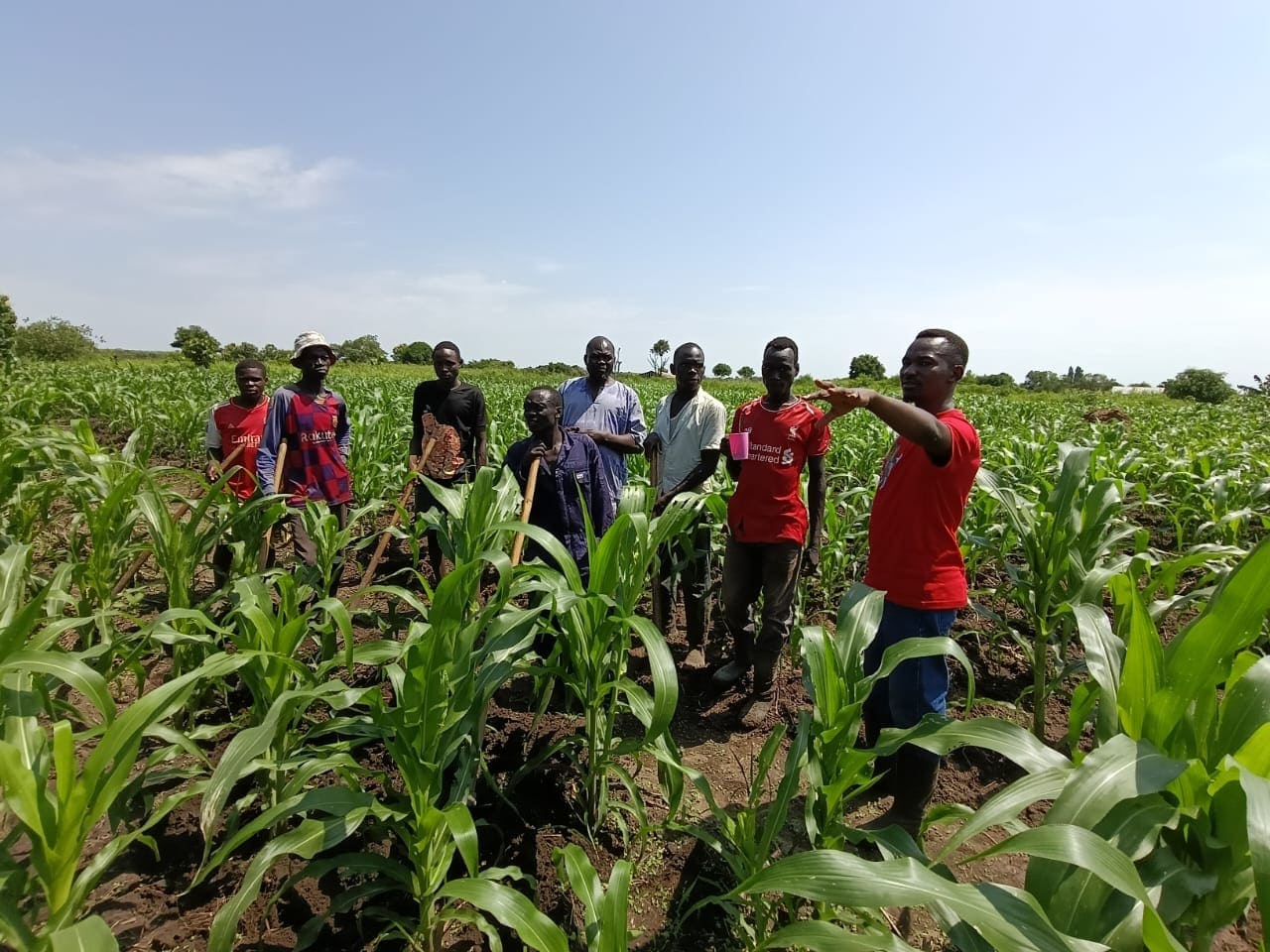
In agriculture, information is as important as seeds, soil, and water. Without reliable knowledge about production patterns, challenges, and solutions, farmers are left to navigate a cycle of trial and error that undermines their productivity. Recognizing this reality, KEDEV AGRI Solutions has invested heavily in monitoring farming practices across Yei and other regions of South Sudan, creating a growing database that sheds light on the realities of rural agriculture and points toward practical solutions.
Understanding Farmers' Production Patterns
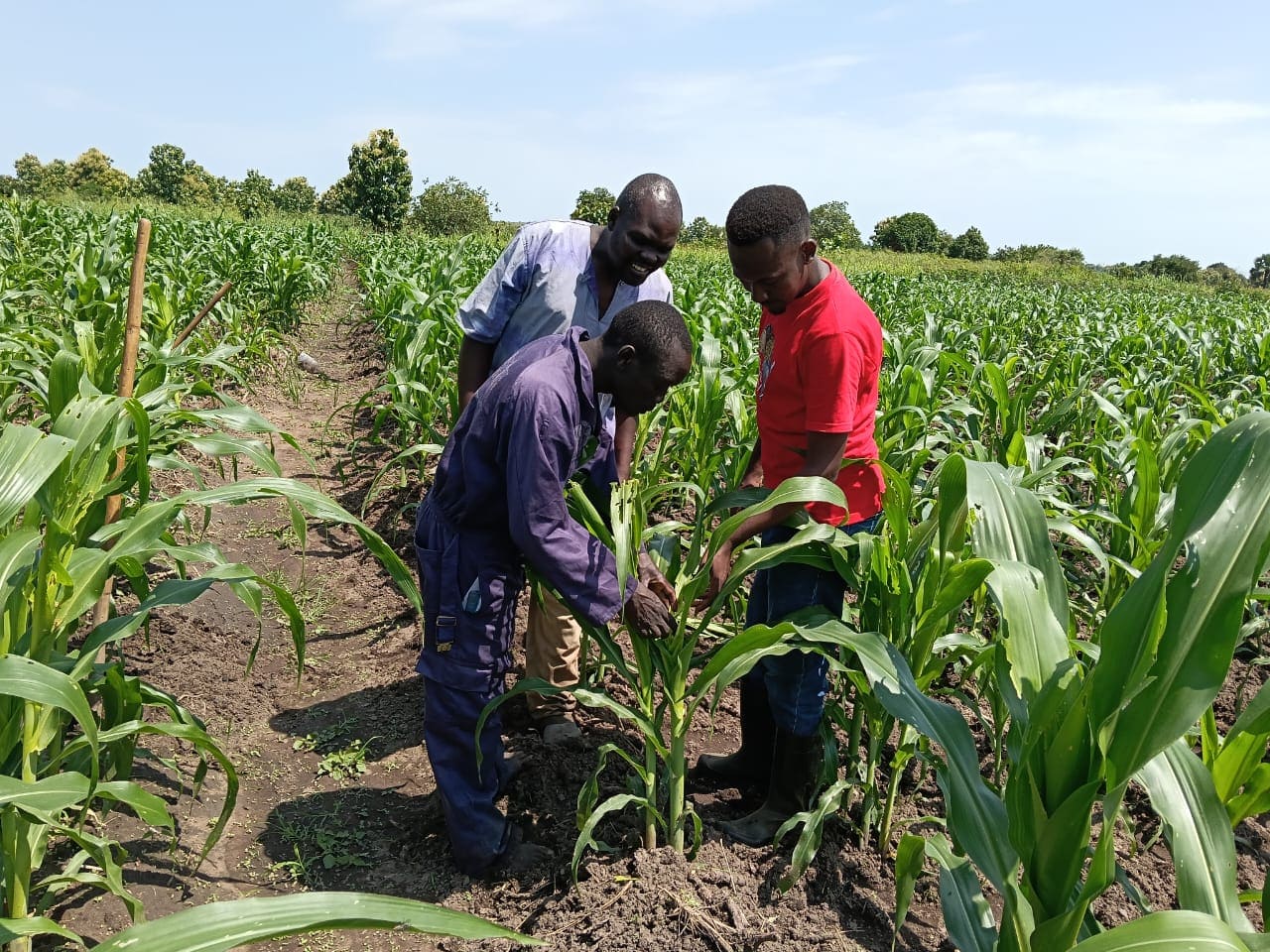
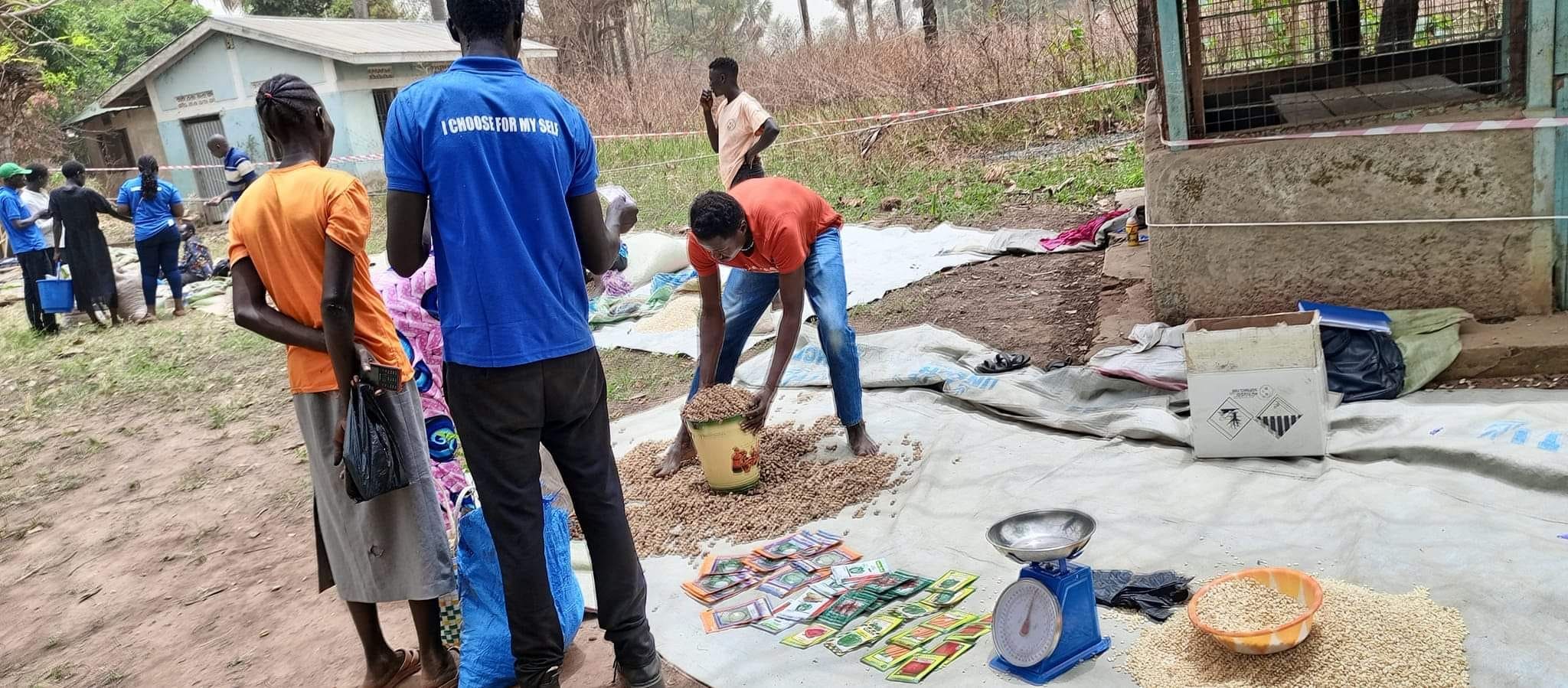
Over the past years, KEDEV has systematically observed and recorded how farmers in Greater Yei and beyond organize their production cycles. This includes identifying what crops they grow, the varieties they prefer, how they source inputs, and the techniques they apply in cultivation and harvesting.
These insights go beyond general impressions; they provide concrete data on what is working in rural farming systems and where gaps remain. By mapping these production patterns, KEDEV not only supports farmers with targeted advice but also contributes to building a clearer picture of agricultural trends at the community level.
Identifying Challenges in Rural Agriculture
Despite their resilience and determination, many rural farmers face recurring challenges that hinder productivity. These include:
Key Challenges Facing Farmers:
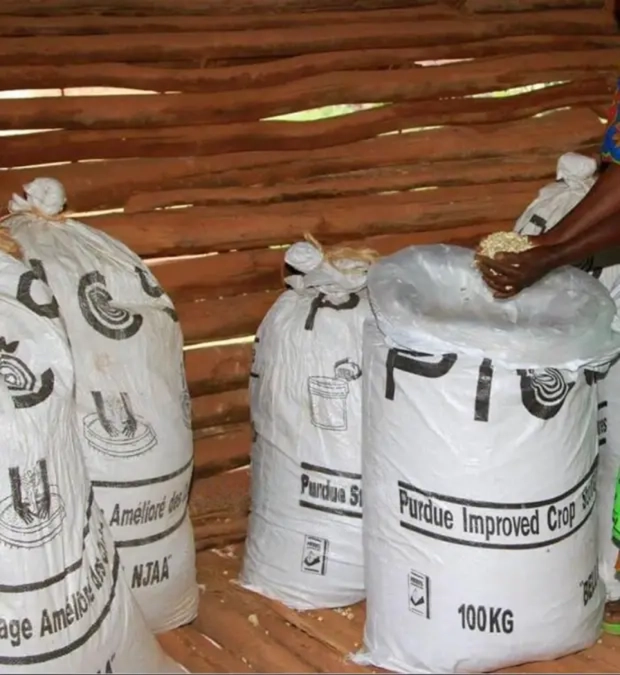
- Limited access to quality seeds and inputs.
- Outdated farming practices that reduce yields.
- Pests and diseases that spread unchecked.
- Climate variability that disrupts planting and harvesting cycles.
- Lack of access to reliable markets and pricing information.
Most of these challenges persist because farmers operate in what KEDEV calls a "limited world of information." Lacking clear pathways for redress, they often rely on unverified or less scientific solutions, which rarely resolve the root of the problem.
From Observations to Solutions
KEDEV AGRI Solutions does not stop at data collection. Our extension teams regularly translate these findings into practical recommendations for farmers. Through mentorship sessions, field demonstrations, and information-sharing platforms, we guide farmers toward improved practices that directly respond to the challenges identified.
By aligning advice with real-world observations, KEDEV ensures that solutions are not generic but tailored to the actual needs of communities. This is part of KEDEV's commitment to context-based agriculture—building strategies that make sense for the realities of South Sudanese farmers.
Data-Driven Solutions
KEDEV's information gathering has led to targeted interventions including customized planting calendars, region-specific pest management strategies, and climate-resilient farming techniques that have improved yields by an average of 35% in participating communities.
Building an Information Database for Wider Impact
Beyond direct farmer engagement, KEDEV is creating a comprehensive information database that captures years of field experience, seasonal monitoring, and farmer feedback. This database will serve as a valuable resource not only for KEDEV but also for institutions, development partners, and government agencies.
By providing credible data on production patterns and challenges, KEDEV contributes to more informed decision-making at the policy level. Agricultural programs, subsidies, and interventions can be better targeted when they are grounded in evidence rather than assumptions.
Sharing Insights With the Public
Knowledge is only useful if it is shared. To this end, KEDEV has published articles, reports, and social media updates on the state of farmers and the challenges they face in accessing information. These publications raise awareness among stakeholders and encourage dialogue on how to strengthen agricultural systems in South Sudan.
Looking Ahead: Strengthening Knowledge Systems
KEDEV AGRI Solutions envisions a future where no farmer is left behind due to lack of information. By continuing to expand its data-gathering initiatives and sharing insights with both farmers and institutions, KEDEV is helping to build a more resilient and informed agricultural sector.
The long-term goal is clear: empower farmers with knowledge, equip policymakers with data, and ensure that agricultural decisions—whether made in the field or at the government level—are rooted in the realities of those who grow the nation's food.